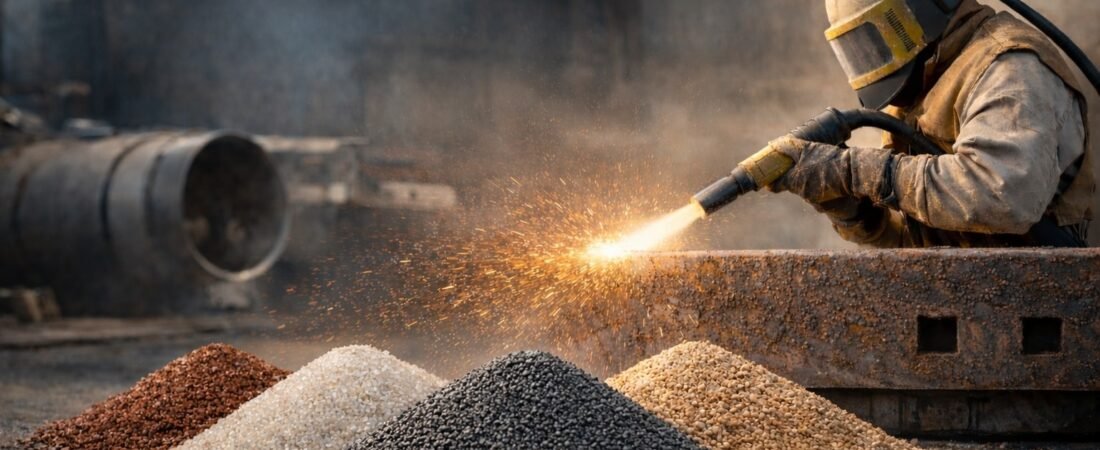
In modern manufacturing and surface treatment industries, abrasive media play a critical role in shaping, cleaning, and finishing materials. From removing heavy rust on steel structures to achieving a fine cosmetic finish on precision components, it determines the quality, speed, and cost-effectiveness of the entire process.
This guide explains what abrasive media is, explores its types and properties, and highlights its industrial applications—helping engineers, manufacturers, and buyers make informed decisions.
What is Abrasive Media?
It refers to hard, granular materials used to clean, shape, roughen, smooth, or polish a surface through mechanical action. When propelled at high speed (as in blasting) or used in controlled motion (as in tumbling or vibratory finishing), it removes unwanted surface layers such as rust, scale, paint, burrs, or contaminants.
It is commonly used in:
- Surface preparation before coating or painting
- Cleaning and descaling metal parts
- Deburring and edge rounding
- Polishing and surface refinement
The choice of abrasive media directly affects surface finish, material loss, dust generation, and recyclability.
Key Properties of Media
Understanding abrasive media properties is essential for selecting the right solution for any application.
1. Hardness
Measured on the Mohs scale, hardness determines how aggressively the media cuts into the surface. Harder media deliver faster material removal, while softer media provide gentle cleaning.
2. Shape
- Angular media offers sharp cutting action and aggressive profiling
- Rounded media produces smoother finishes and peening effects
3. Grit Size
Grit size controls surface texture:
- Coarse grit → heavy removal and rough profiles
- Fine grit → smooth, cosmetic finishes
4. Density & Weight
Higher density media transfers more impact energy, improving cleaning efficiency but increasing wear on equipment.
5. Recyclability
Some abrasive media can be reused multiple times, reducing operational costs and waste.
6. Dust Generation
Low-dust media improves visibility, worker safety, and environmental compliance.
Types of Media
It can be broadly classified into metallic, mineral, synthetic, and organic categories.
1. Mineral Media
Mineral abrasives are widely used for general blasting and surface preparation.
- Known for strong cutting action
- Suitable for rust removal, scale removal, and surface profiling
2. Metallic Media
Metallic abrasives are highly durable and recyclable.
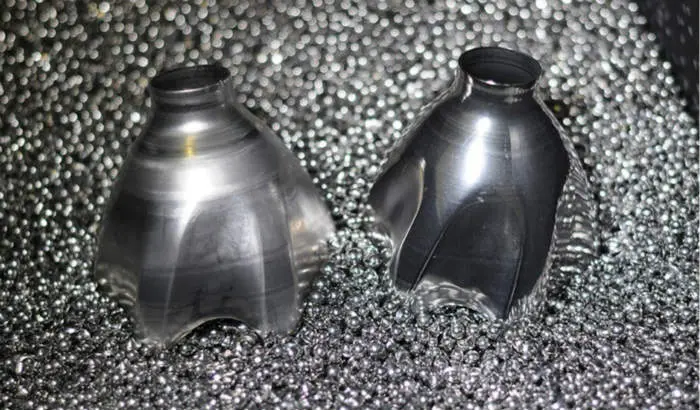
- Ideal for shot blasting and peening applications
- Commonly used in foundries and heavy industries
3. Synthetic Media
Engineered abrasives designed for consistency and precision.
- Used where controlled material removal is critical
- Excellent for deburring and uniform finishing
4. Organic & Soft Abrasive Media
Soft abrasives are used for delicate cleaning without surface damage.
- Ideal for sensitive substrates
- Minimal impact on base material
Industrial Uses of Abrasive Media
1. Surface Preparation
It creates the ideal surface profile for:
- Painting
- Powder coating
- Thermal spray coatings
Proper surface preparation improves coating adhesion and lifespan.
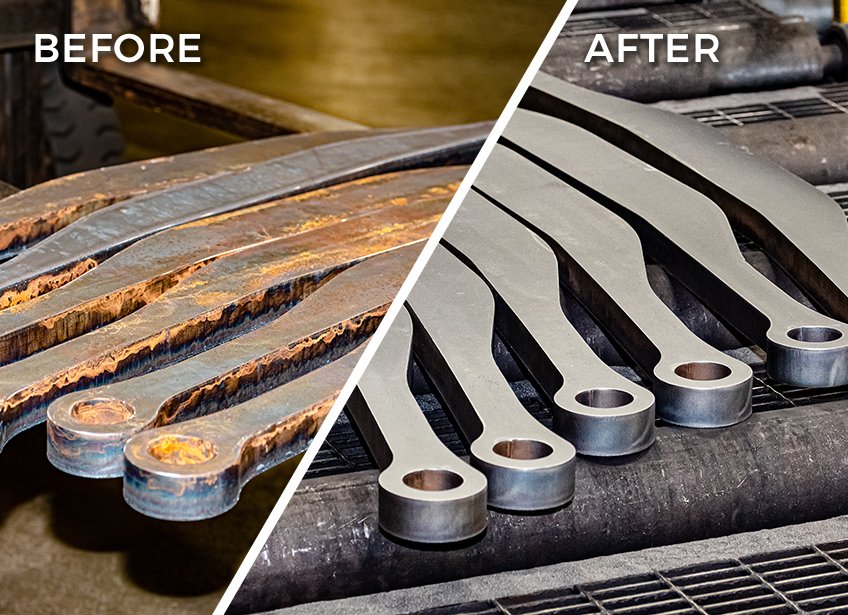
2. Rust, Scale & Paint Removal
In shipyards, construction, and maintenance industries, abrasive media efficiently removes:
- Corrosion
- Mill scale
- Old coatings
This restores structural integrity and extends equipment life.
3. Deburring & Edge Rounding
Manufacturing processes often leave sharp edges and burrs. Abrasive media ensures:
- Smooth edges
- Improved part safety
- Consistent dimensional quality
4. Polishing & Surface Finishing
Fine abrasive media produces:
- Satin or matte finishes
- Cosmetic-grade surfaces
- Reduced friction and wear
Used extensively in automotive, aerospace, and medical components.
5. Shot Peening & Surface Strengthening
Certain abrasive media strengthen metal surfaces by inducing compressive stress, improving:
- Fatigue resistance
- Component durability
- Structural performance
Why Choosing the Right Abrasive Media Matters
Selecting the wrong abrasive media can lead to:
- Excessive material loss
- Poor surface finish
- Higher operating costs
- Equipment damage
The right abrasive media ensures:
- Faster processing
- Consistent results
- Reduced waste
- Long-term cost savings
Conclusion
Abrasive media is the backbone of modern surface treatment and finishing operations. By understanding types, properties, and industrial uses, manufacturers can optimize performance, reduce costs, and achieve superior surface quality.
Whether the goal is aggressive material removal or fine cosmetic finishing, choosing the right media is not just a technical decision—it’s a strategic one.
Surface Preparation Standards
Proper abrasive media selection should comply with internationally recognized surface preparation standards defined by AMPP to ensure optimal coating adhesion and long-term performance.
Our sandblasting products deliver consistent cutting performance, low dust generation, and reliable results for demanding industrial surface preparation jobs.